Guava

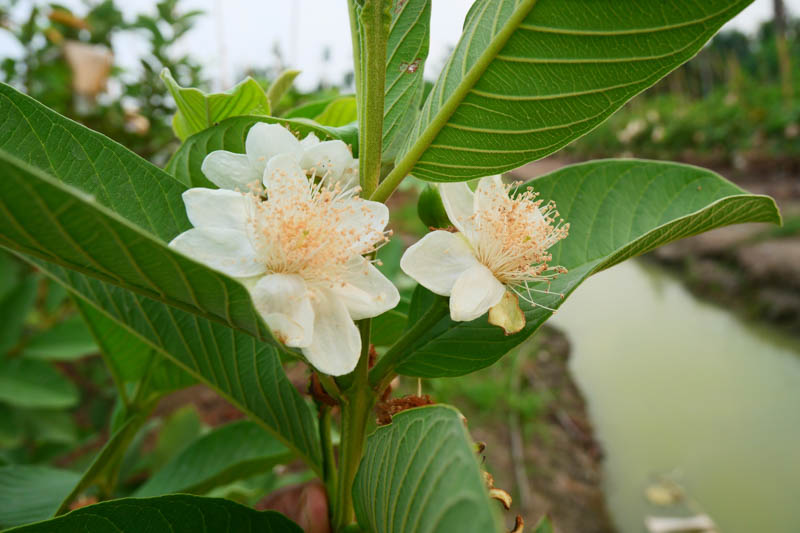
Description
Guava (botanical name Psidium guajava) is a tropical fruit belonging to the myrtle family (Myrtaceae). (Wikipedia)
Here are its key features:
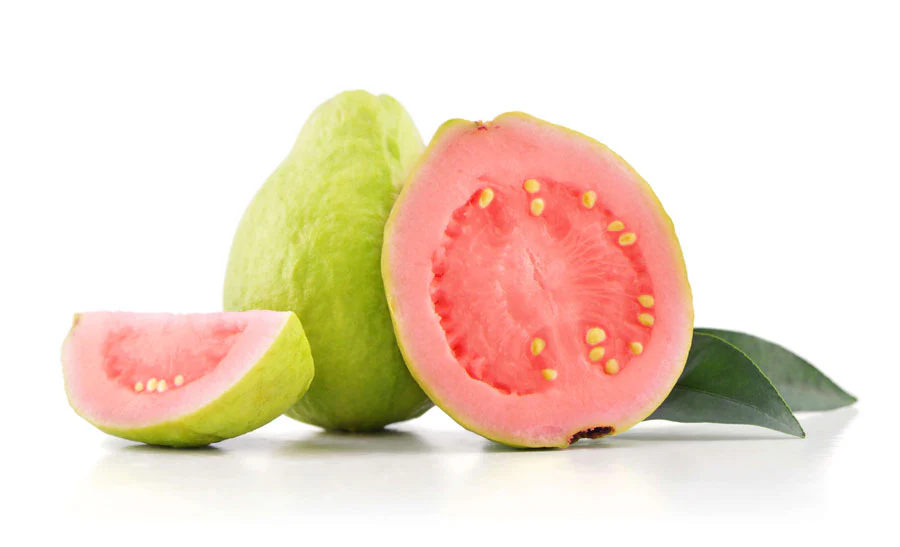
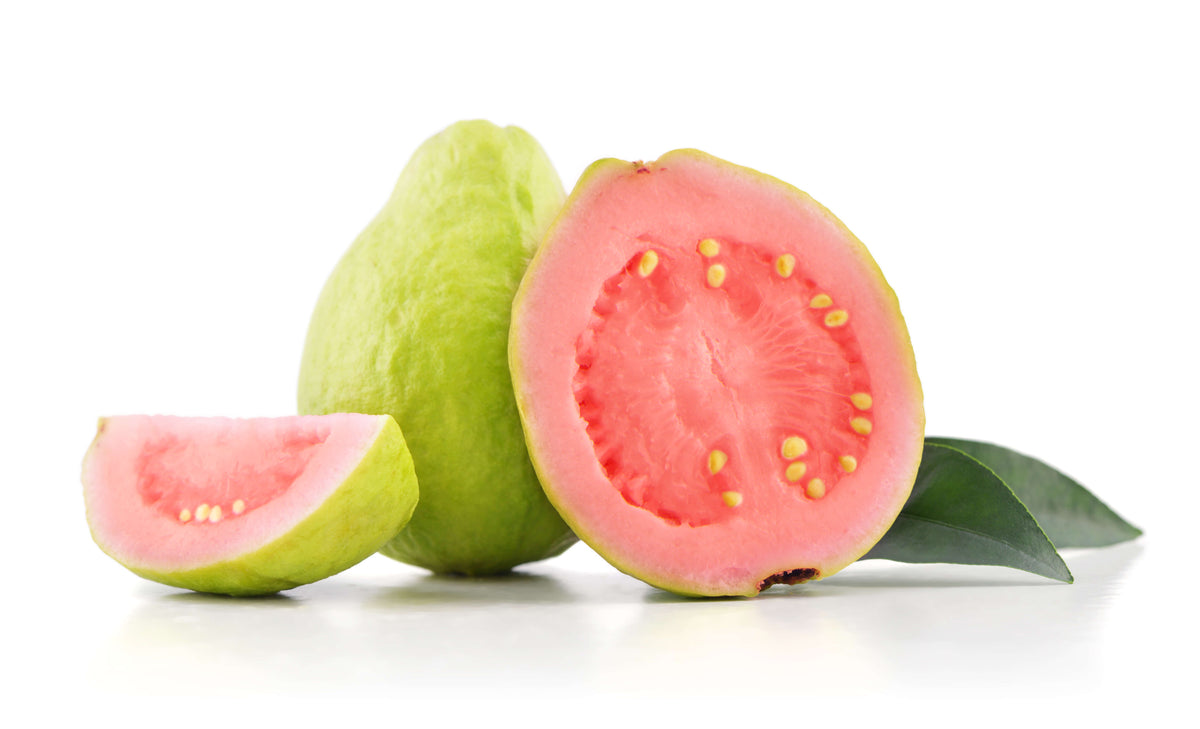
- Shape & size: The fruit varies from round to pear-shaped (ovoid) and is typically around 5–12 cm in length. (TFNet)
- Skin: The outer skin is usually green when unripe, turning yellowish (or lighter green/yellow) when ripe in many varieties. (Wikipedia)
- Flesh & seeds: Inside, the flesh can be creamy white, yellowish or pink/red depending on the variety. It contains many small, hard edible seeds. (TFNet)
- Aroma & taste: Guava has a distinct sweet–tangy flavor, with an aromatic fragrance often likened to a combination of pear, strawberry and tropical fruit notes. (Didwaniya Group)
Nutritional & Health Highlights
- Guava is rich in vitamin C (much higher than many common fruits) and dietary fibre. (Wikipedia)
- It also provides folate, potassium and antioxidant compounds, especially in varieties with pink/red flesh. (PharmEasy)
- Its high fibre and nutrient content make it a beneficial fruit for digestion, immunity and general wellness. (PharmaTutor)
Uses & Culinary Notes
- It can be eaten raw — sliced or whole (skin and seeds are edible) — or used in juices, jams, desserts and savoury dishes. (Encyclopedia Britannica)
- In many regions, guava is enjoyed by sprinkling a little salt or chaat-masala on fresh slices.
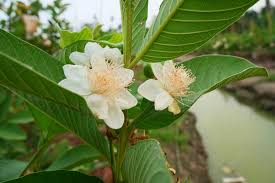
- The leaves of the guava tree are also used traditionally for teas or herbal remedies. (Didwaniya Group)
Selection & Storage Tips
- Pick fruits that are slightly soft to touch, fragrant and showing colour change from green to yellow (depending on variety).
- Avoid completely hard fruits unless you plan to let them ripen further.
- Store at room temperature until ripe. Once ripe, refrigerate to extend freshness. (Didwaniya Group)
If you like, I can send photos of different guava varieties (white flesh vs pink flesh, local Indian cultivars) plus some quick recipe ideas for guava. Would you like that?

Reviews
There are no reviews yet.